Integration · Connectivity · Deployment
AQ² Accessories
A complete range of accessories to simplify integration, deployment and operation of AQ² calibration-free pH sensors across any monitoring platform.
A complete range of accessories to simplify integration, deployment and operation of AQ² calibration-free pH sensors across any monitoring platform.
These components enable seamless connection to existing systems, simplify data access and provide flexible deployment options for both laboratory and field environments.
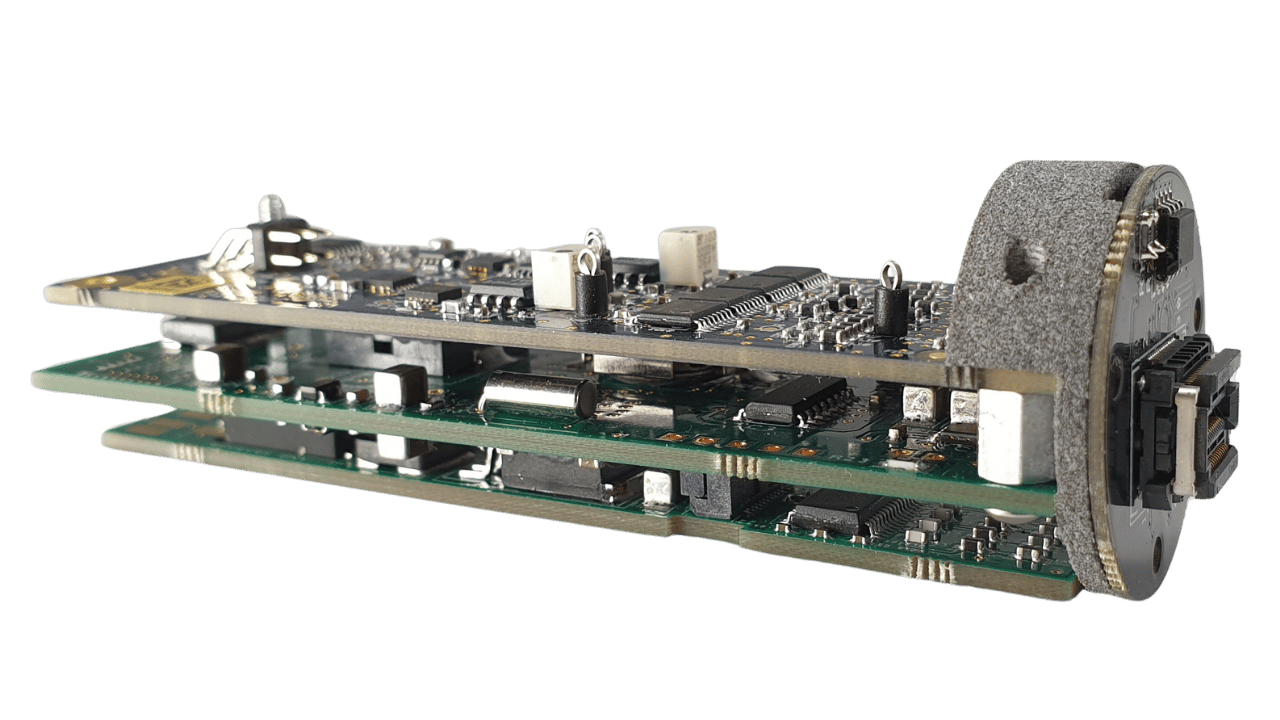
The Integration Kit enables direct integration of AQ² sensor technology into third-party systems and bespoke monitoring platforms.
Supplied as a bare PCB assembly and unhoused transducer, the kit allows developers and integrators to incorporate AQ² sensing technology into their own housings, instruments or vehicles.
Ideally Suited For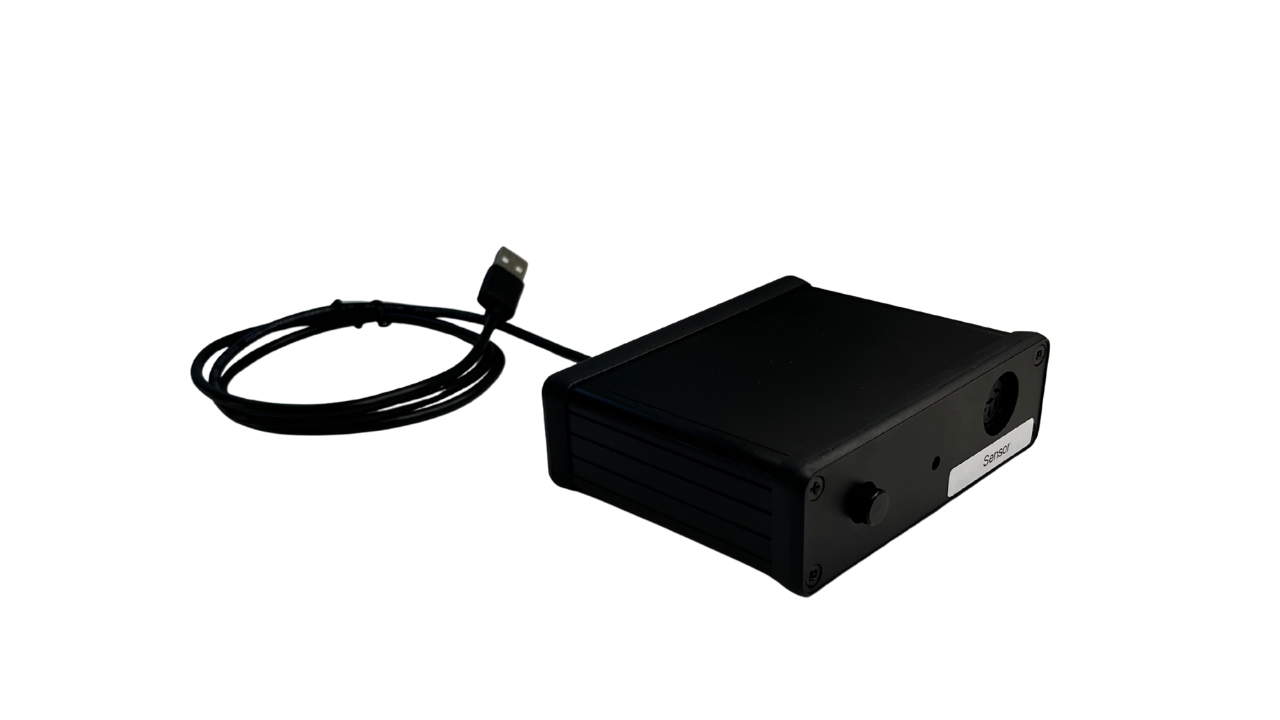
The Data Transfer Unit provides a simple interface for connecting an AQ² sensor directly to a computer.
The unit connects to the sensor and allows direct communication with a PC via USB, enabling users to configure the sensor, access stored data and monitor operation.
Typical Uses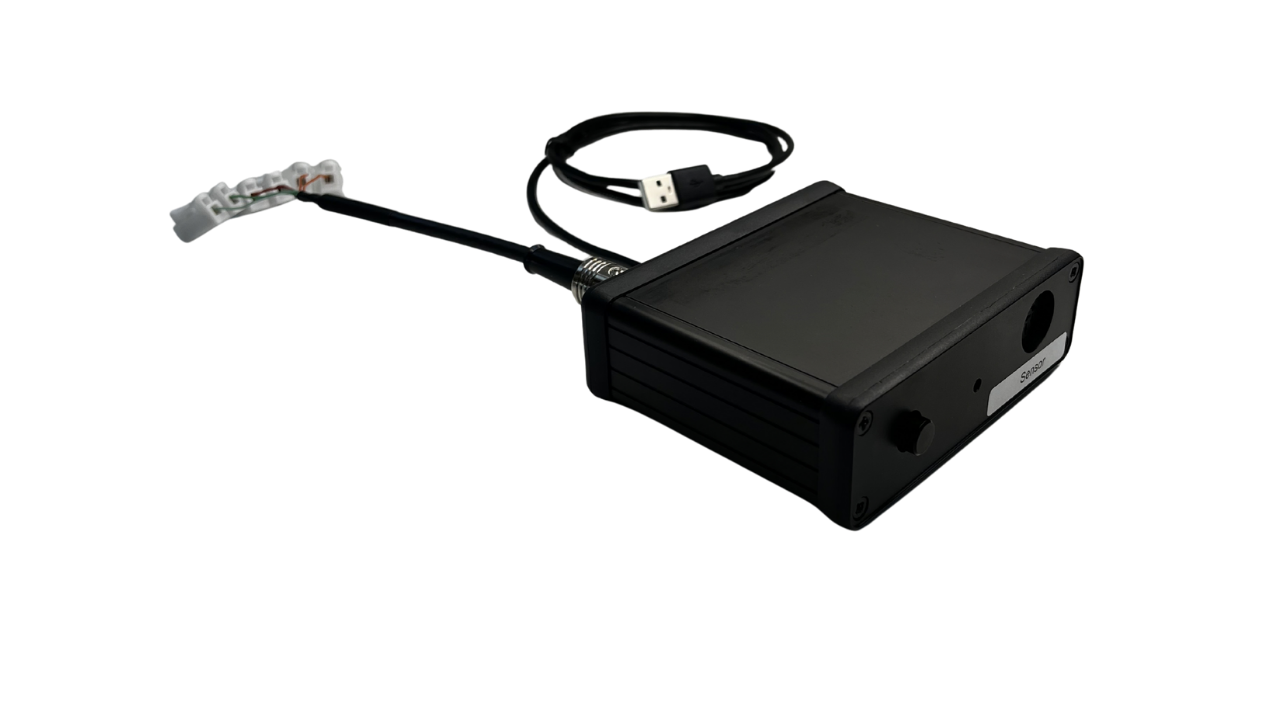
The Analogue Signal Unit converts the AQ² sensor's digital output into standard analogue signals for compatibility with external logging and control systems.
This allows AQ² sensors to interface easily with existing data loggers, PLCs and industrial monitoring systems, enabling integration into legacy infrastructure that requires analogue inputs.
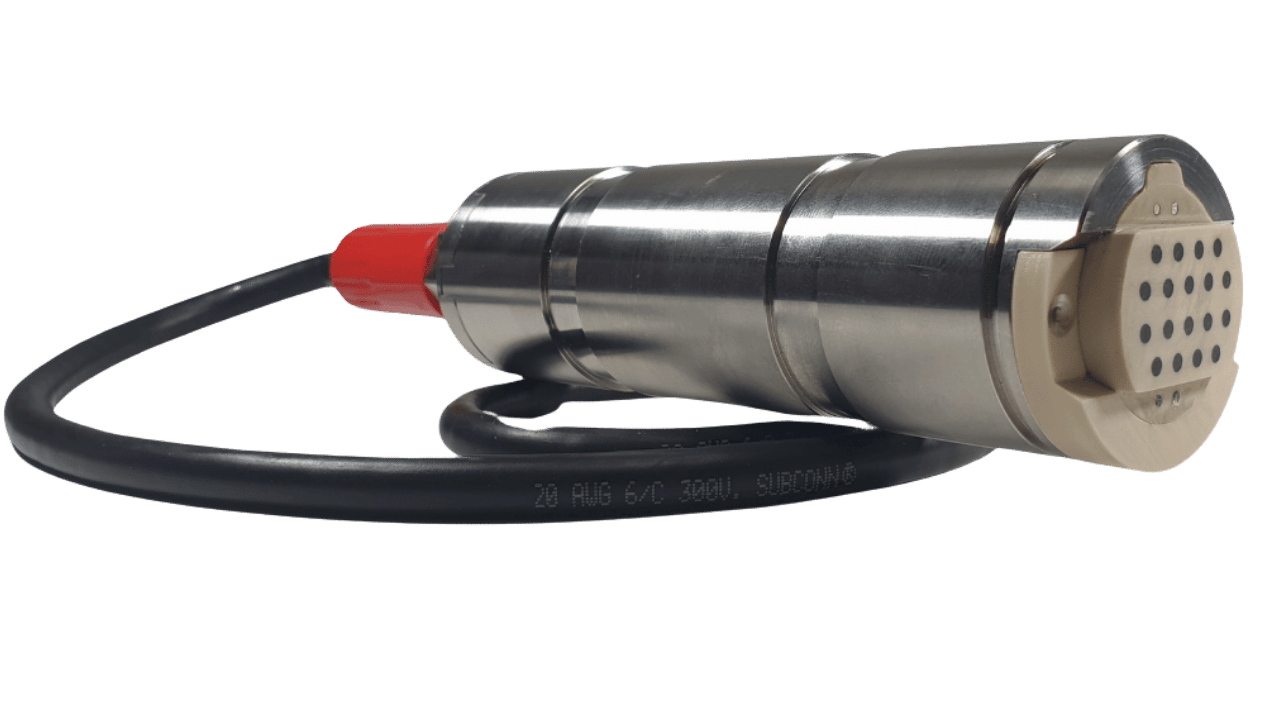
Analogue signal unit - available in bench-top or submersible configurations, with depth ratings of up to 300 m or 1250 m.
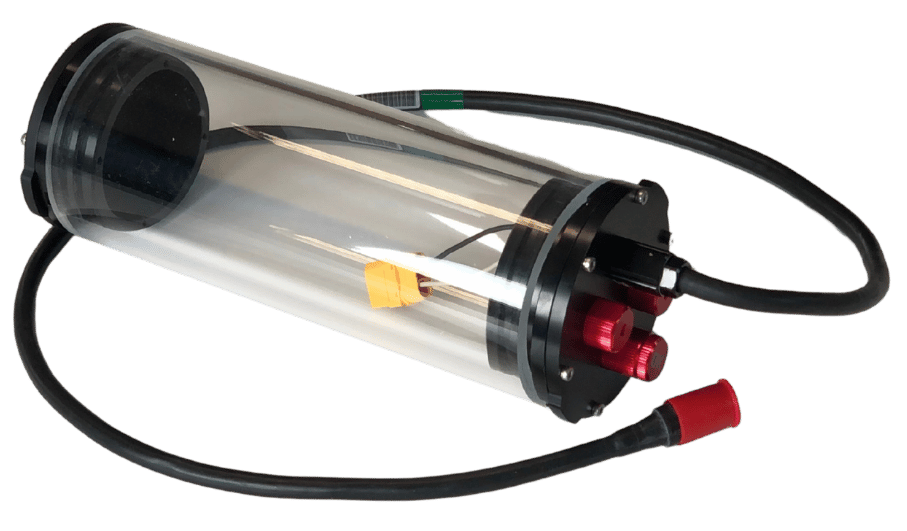
The Battery Management System (BMS) provides a self-contained power solution for AQ² deployments.
The battery housing incorporates an intelligent battery monitor and power management system designed specifically to optimise sensor operation during long-term deployments.
Key Functions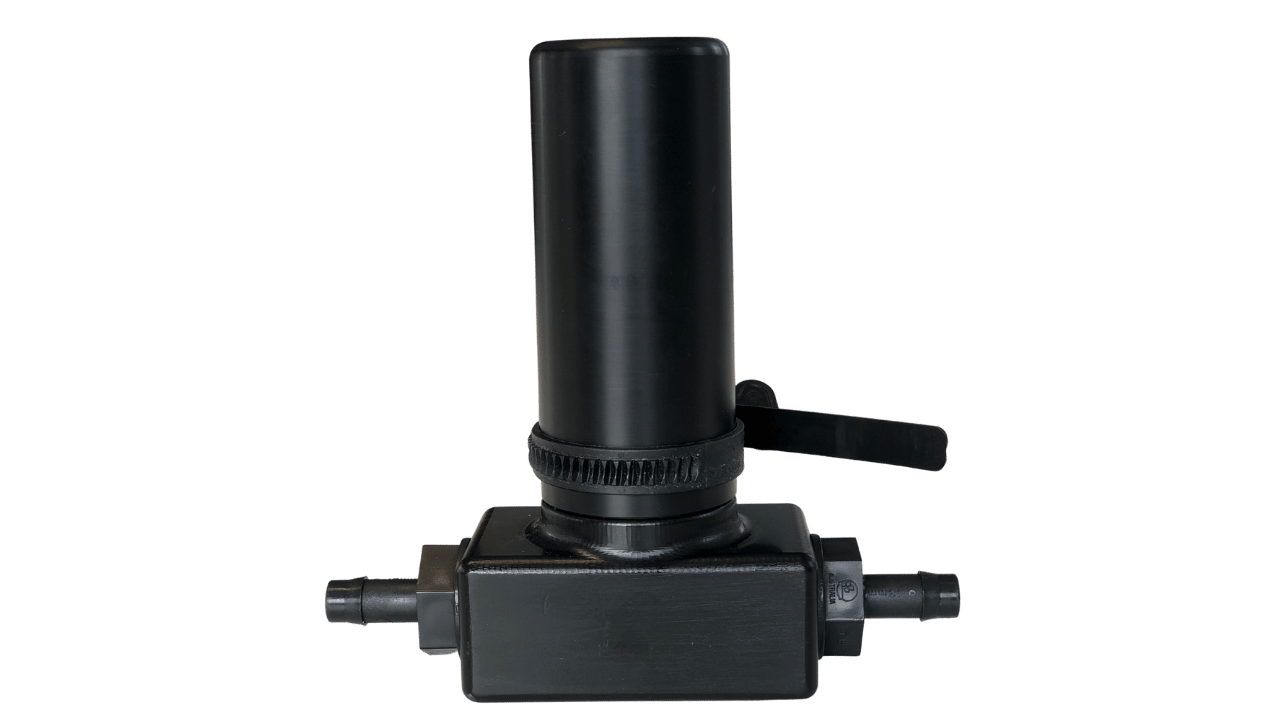
The Flow Cup Adapter enables AQ² sensors to be installed directly within flowing water systems.
This accessory allows the sensor to be fixed securely into a water flow, making it ideal for continuous monitoring in flow-through applications.
Typical Installations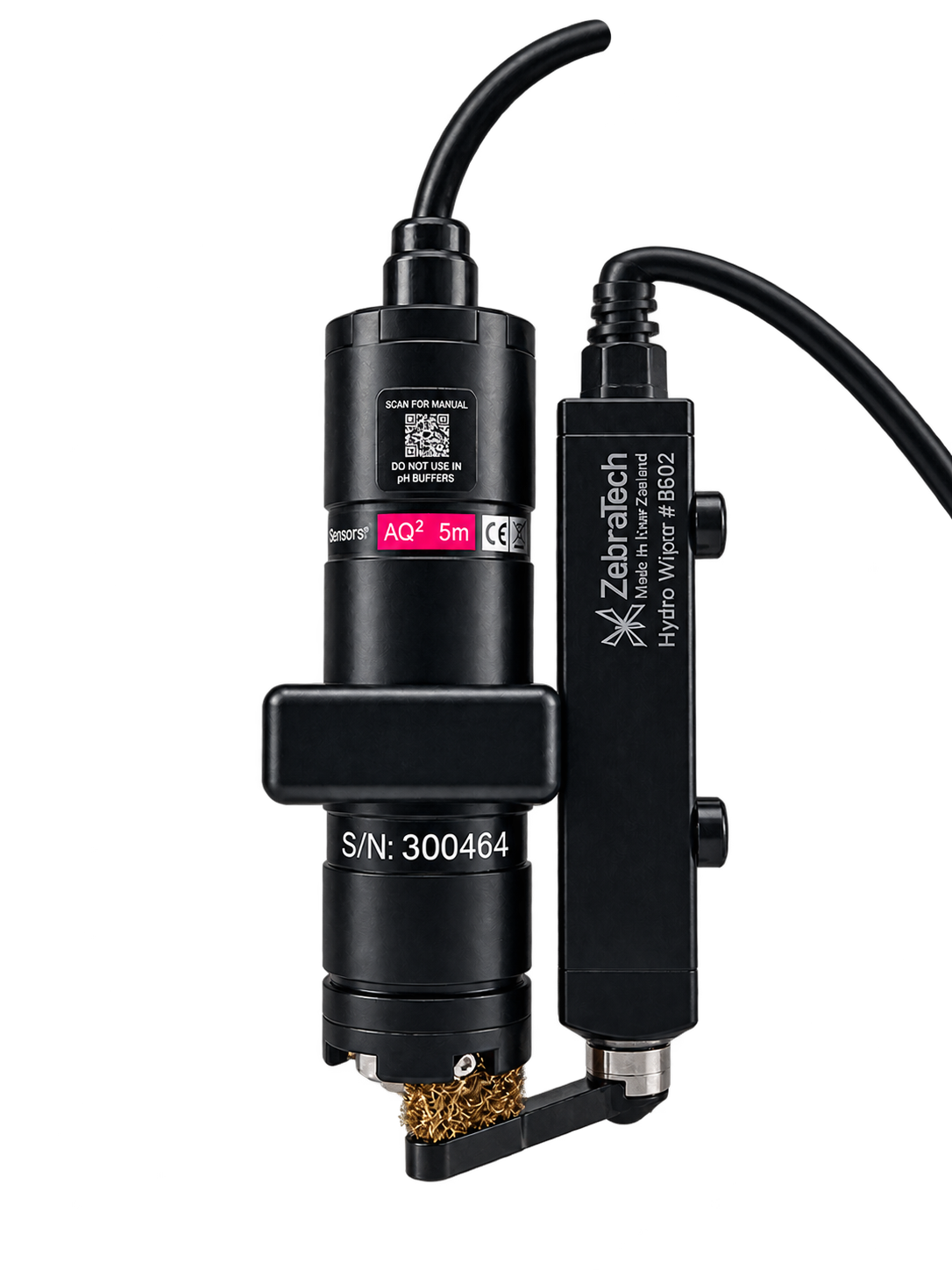
Automatic abrading keeps the sensor performing reliably without requiring regular intervention from the end user.
At programmed intervals, the system automatically abrades the sensor surface to maintain optimal performance. This removes the need for the user to manually abrade the sensor during routine operation.
Operational BenefitsOur team can advise on the right combination of accessories for your deployment platform, system integration requirements and operational environment.